English
 繁体中文
繁体中文 简体中文
简体中文 Deutsch
 Tiếng Việt
Common Problems & Solutions for Transformer Inductor Production
release time:
2026-09-13
Meet common dip soldering problems for toroidal inductors & small transformers. Our factory supplies automatic dip soldering machine, ultrasonic cleaner, industrial oven for electronic manufacturing.
Manufacturing Problems Require Practical Solutions
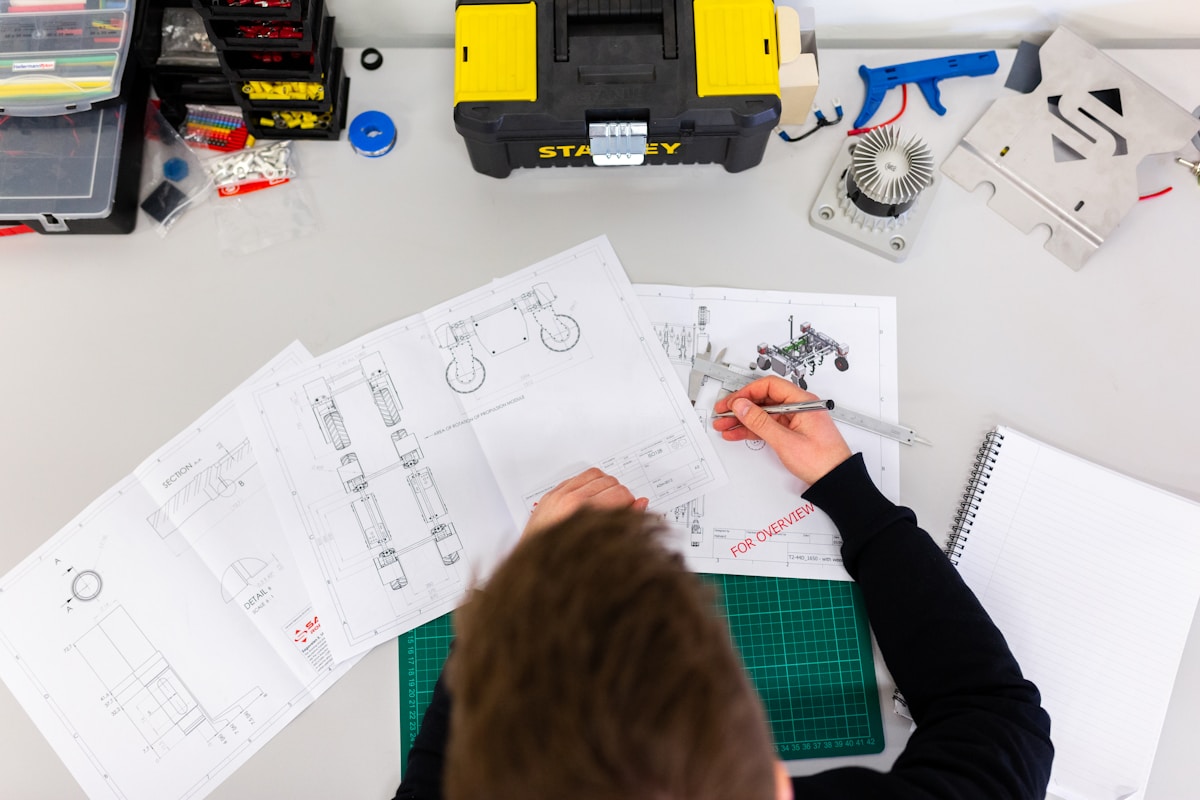
Manufacturers of inductors, transformers, common-mode chokes, EMI filters, coils and other magnetic components often face challenges related to manual processing, soldering consistency, wire preparation, temperature control, production efficiency and process integration. Identifying the right equipment solution can help improve production stability and reduce repetitive manual operations.
Reduce Manual Work
Repetitive wire processing, solder dipping, cleaning and other manual operations can limit production efficiency and increase labor requirements.
Improve Process Stability
Automated equipment can help maintain more consistent process parameters and reduce variation between production batches.
Increase Production Efficiency
Appropriate automation equipment can improve cycle time, production capacity and repeatability for high-volume manufacturing.
Support Production Integration
Customized equipment can be developed to work with existing production processes or integrated into automated manufacturing lines.

High Labor Requirements for Repetitive Processing
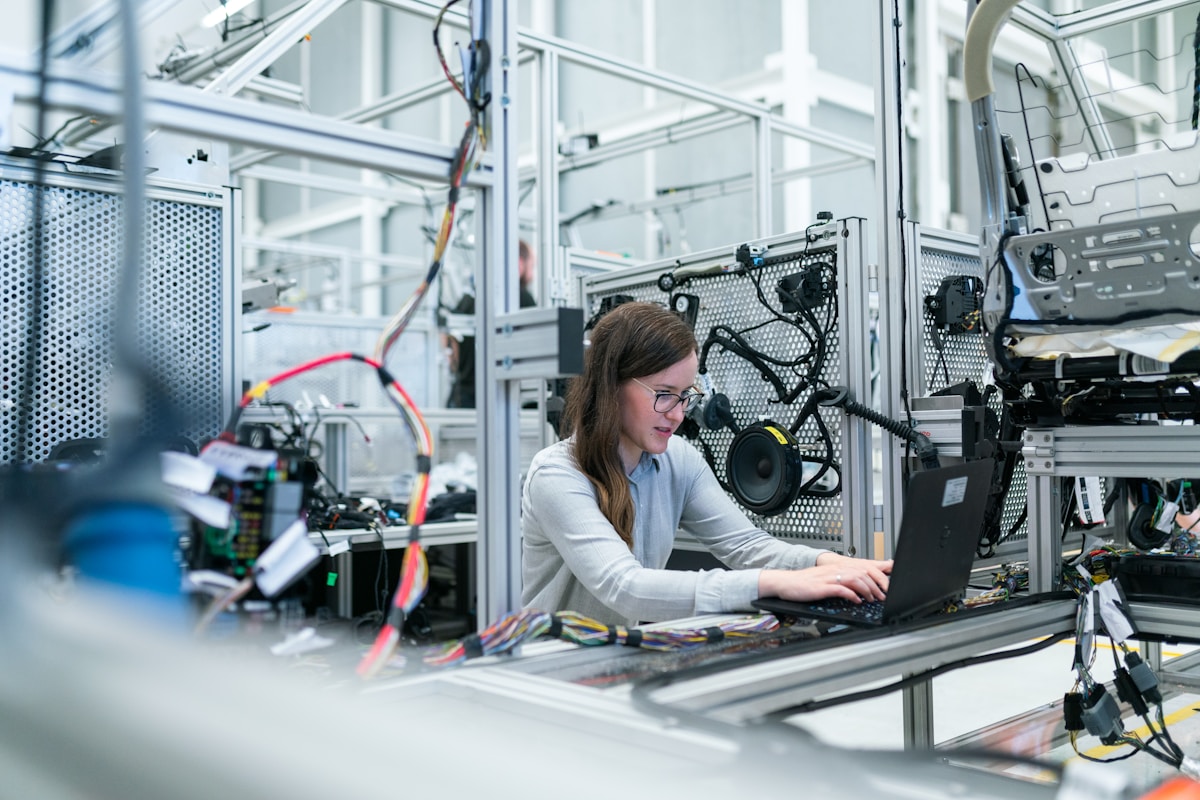
Wire stripping, wire tinning, solder dipping, loading and unloading operations may require significant manual labor when production volume increases.
How Automation Can Help
Automatic wire processing machines, tinning machines and soldering equipment can automate repetitive operations and provide a more stable production cycle. Automation can help manufacturers reduce repetitive manual handling while improving production efficiency.
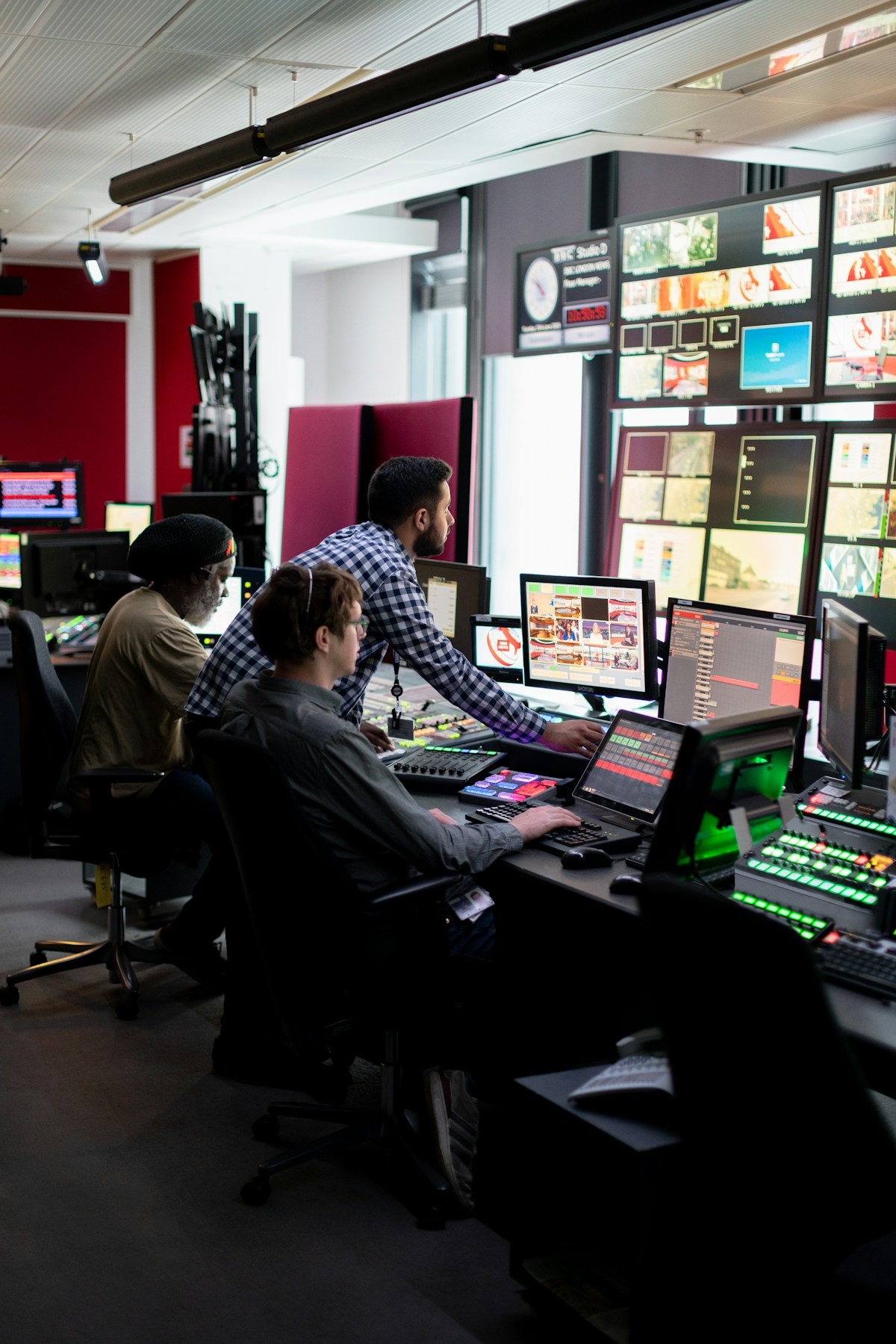
Low Production Efficiency and Limited Capacity
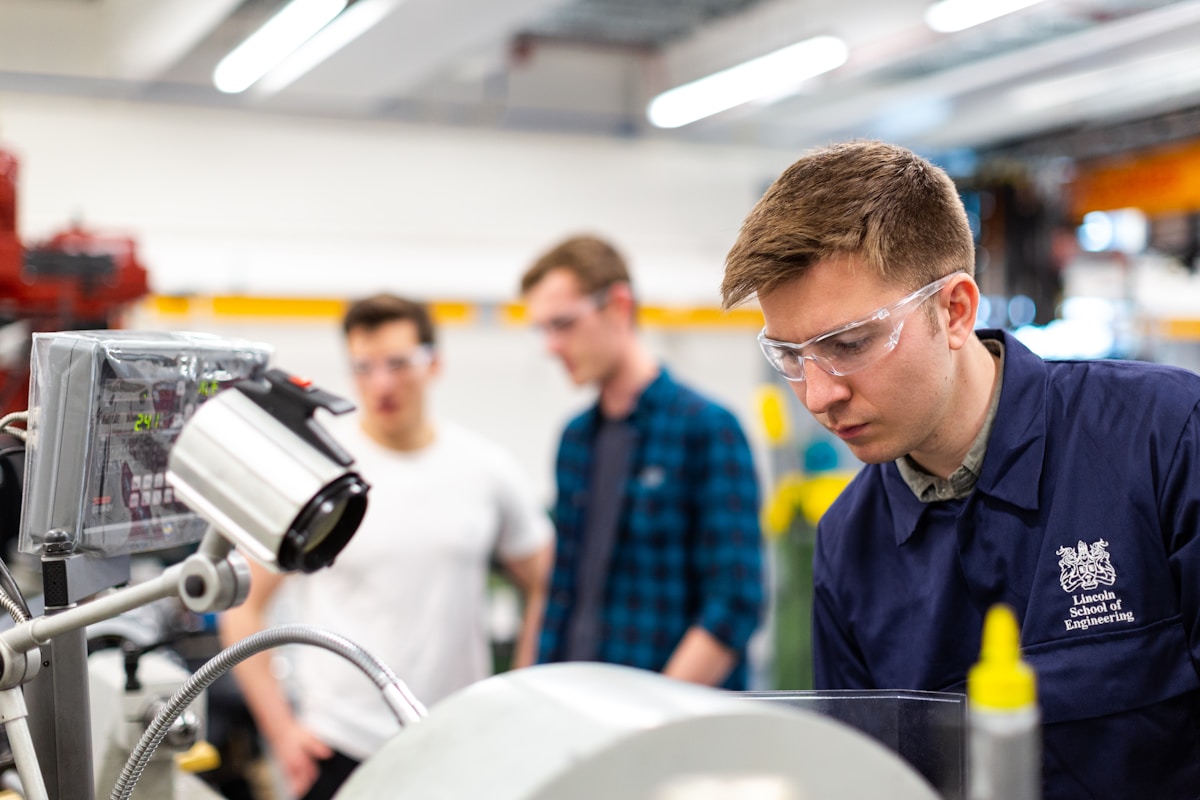
When several production processes rely on manual handling, overall production capacity may be limited by operator speed, process variation and repeated handling.
How Automation Can Help
Automated equipment can standardize repetitive production steps, optimize machine cycle time and support higher production capacity. Equipment configuration can be selected according to required output and available production space.

Difficult Production-Line
Integration
Standard machines may not always fit existing production lines, factory layouts or automated handling systems.
How Customized Automation Can Help
Customized automation equipment can be designed around the customer's production process, machine layout, product dimensions and automation objectives. Equipment may be configured for standalone operation or integration with other production equipment.

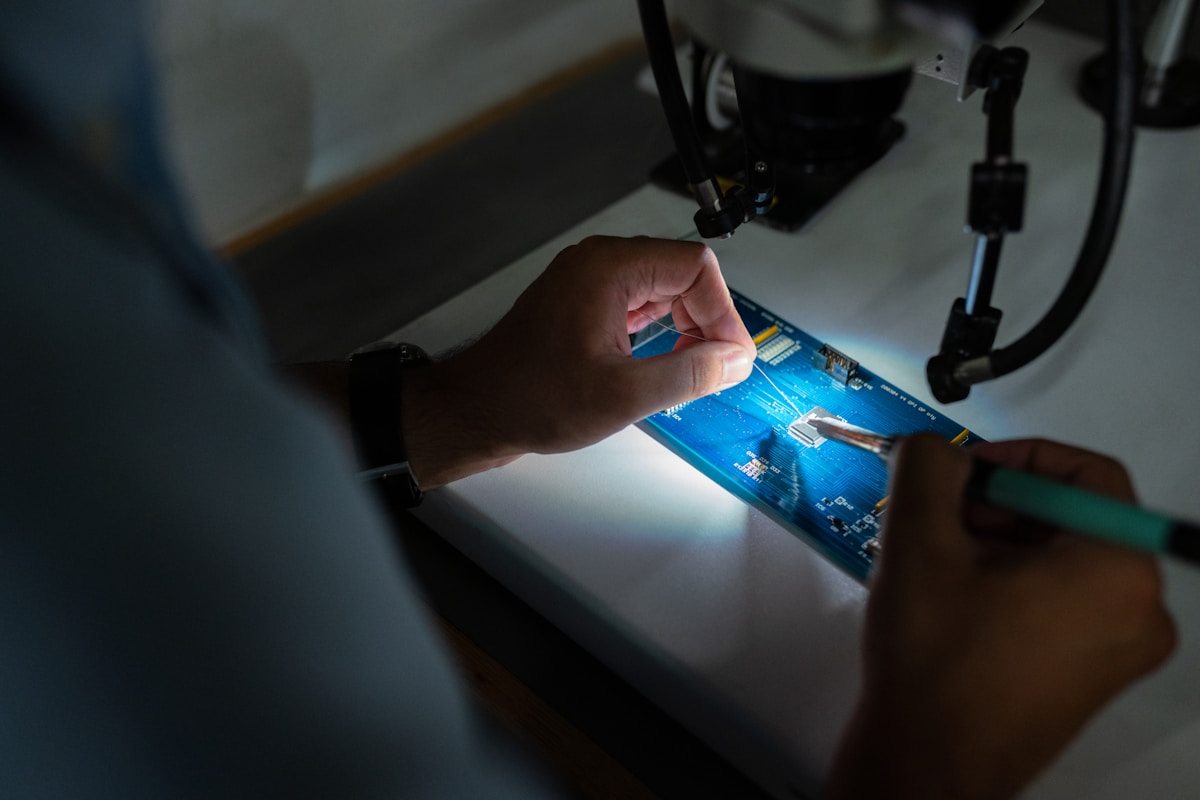
Difficult Cleaning and
Post-Processing
Manufacturing processes may leave contaminants or residues that require reliable cleaning before subsequent assembly, coating, packaging or inspection.
How Equipment Can Help
Ultrasonic cleaning equipment can provide controlled cleaning conditions for suitable electronic and industrial components. Cleaning parameters can be selected according to component structure, material and process requirements.
How Autoproce Helps Solve Manufacturing Challenges
Autoproce develops electronic component manufacturing equipment around real production requirements, helping
manufacturers improve process consistency, reduce repetitive labor and build more efficient production workflows.
Wire Processing
Equipment for wire stripping, wire processing and wire tinning applications.
Explore Wire Processing Solutions →Solder Dipping & Soldering
Automatic solder dipping and soldering equipment for electronic component manufacturing.
Explore Soldering Solutions →Curing & Cleaning
Industrial curing, drying and ultrasonic cleaning equipment for post-processing applications.
Explore Curing & Cleaning →Custom Automation
Customized automation equipment designed around product structure, production process and capacity.
Explore Custom Automation →Industries and Components We Support
Our equipment solutions are designed for manufacturers working with electronic components, magnetic components and related products.
Frequently Asked Questions About Soldering & Manufacturing
Equipment
Find practical answers about automatic solder dipping machines, soldering equipment, wire processing machines and manufacturing equipment for inductors, transformers, coils and other magnetic components.
What is an automatic solder dipping machine and how does it work?
An automatic solder dipping machine is equipment used to automate the solder dipping process for electronic components, wires, coils, inductors and other magnetic components. The machine controls key process parameters such as solder temperature, dipping depth, dipping time, component positioning and movement. Compared with manual solder dipping, automatic equipment can provide more repeatable processing conditions and help reduce repetitive manual operations.
What is the best solder dipping machine for inductors and transformers?
The suitable solder dipping machine depends on the inductor or transformer structure, wire diameter, soldering area, required dipping depth, production capacity and process requirements. Automatic solder dipping equipment can be configured with different fixtures, movement systems, solder pots and control parameters for different component applications. Autoproce can evaluate the product structure and production process to recommend a suitable solder dipping solution.
How can automatic soldering equipment improve production efficiency?
Automatic soldering equipment can standardize repetitive soldering operations and reduce manual handling. By controlling machine movement, soldering time,
temperature and processing sequences, automated equipment can improve process repeatability and support more stable production cycles. The actual improvement in efficiency depends on the product, production volume, process requirements and equipment configuration.
What is the difference between a solder pot and an automatic solder dipping machine?
A solder pot is primarily used to hold and heat molten solder for manual or semi-automatic soldering processes. An automatic solder dipping machine combines a solder pot or soldering unit with controlled mechanical movement, fixtures and process controls to automate the dipping operation. For higher-volume electronic component manufacturing, automatic solder dipping equipment can provide more consistent positioning, dipping depth and processing time than a basic manual solder pot.
How do you choose a wire stripping and tinning machine?
The correct wire stripping and tinning machine should be selected according to wire material, wire diameter, insulation type, stripping length, tinning length,
production capacity and required processing accuracy. For transformer, inductor, coil and other magnetic component applications, the machine configuration may also depend on the terminal structure and subsequent soldering process. Providing wire samples, drawings or processing requirements allows engineers to recommend a more suitable configuration.
What equipment is used for inductor manufacturing?
Inductor manufacturing may require different equipment depending on the inductor type and production process. Common applications can include wire stripping equipment, wire tinning machines, solder dipping machines, automatic soldering equipment, curing or drying ovens, ultrasonic cleaning machines and customized automation equipment. The required equipment depends on the inductor structure, wire specifications, soldering process, production volume and automation
requirements.
What equipment is used for transformer and common-mode choke manufacturing?
Transformer and common-mode choke manufacturing may involve wire stripping, wire preparation, wire tinning, solder dipping, automatic soldering, curing, drying, cleaning and other post-processing steps. Equipment selection depends on the component design, wire type, soldering requirements, production capacity and level of automation. Autoproce provides equipment solutions for transformer, common-mode choke, EMI filter, coil and other magnetic component manufacturing applications.
Can solder dipping and wire processing equipment be customized?
Yes. Autoproce provides customized solder dipping, soldering, wire processing and automation equipment according to product structure, wire specifications, processing requirements and production capacity. Customization may include fixtures, solder pots, machine dimensions, movement systems, control functions,
feeding methods, processing parameters and production-line integration.
How can manufacturers reduce manual labor in soldering and wire processing?
Manufacturers can reduce repetitive manual work by automating processes such as wire stripping, wire tinning, solder dipping, soldering, loading and unloading. Automatic equipment can standardize repetitive movements and process parameters while reducing dependence on manual handling. The appropriate automation level depends on production volume, product design, process complexity and required cycle time.
How do I choose the right electronic component manufacturing equipment supplier?
When selecting an electronic component manufacturing equipment supplier, manufacturers should consider application experience, equipment quality, customization capability, engineering support, production capacity, testing capability and after-sales technical support. It is also important to confirm whether the supplier
can understand the actual production process and provide equipment that matches the product requirements. Autoproce provides electronic component manufacturing equipment and customized automation solutions for inductors, transformers, common-mode chokes, EMI filters, coils and other magnetic component applications.
Explore Autoproce Manufacturing Solutions
Explore equipment solutions for transformer, common-mode choke, wire processing, soldering, curing, cleaning and customized automation applications.
Transformer Manufacturing Solutions
Equipment and automation solutions for transformer wire processing, tinning, soldering and related manufacturing processes.
View Transformer Solutions →Common-Mode Choke Solutions
Manufacturing equipment for common-mode chokes, EMI filters and magnetic component production.
View Choke Solutions →Wire Processing & Tinning Solutions
Automatic wire stripping, wire processing and wire tinning solutions for electronic component manufacturing.
View Wire Processing Solutions →Solder Dipping & Automatic Soldering
Automatic solder dipping, soldering and related process equipment for electronic components.
View Soldering Solutions →Curing & Ultrasonic Cleaning
Industrial curing, drying and ultrasonic cleaning equipment for electronic component post-processing.
View Curing & Cleaning →Custom Automation Solutions
Customized production equipment designed around specific product, process, capacity and automation requirements.
View Automation Solutions →Have a Manufacturing Problem to Solve?
Tell Autoproce about your product, current production process, manufacturing challenge and target capacity. Our engineering team can evaluate the application and recommend a suitable equipment or customized automation solution.
Autoproce provides electronic component manufacturing equipment, automatic soldering equipment, wire processing equipment, curing and cleaning equipment, and customized automation solutions for global manufacturers.
label:


E-mail address:
Hotline: